
FlyOut: A New Horizon in Gaming
Explore the captivating world of FlyOut, where innovation meets thrilling gameplay. Dive into the mechanics and rules that make this game a standout experience in the gaming industry.


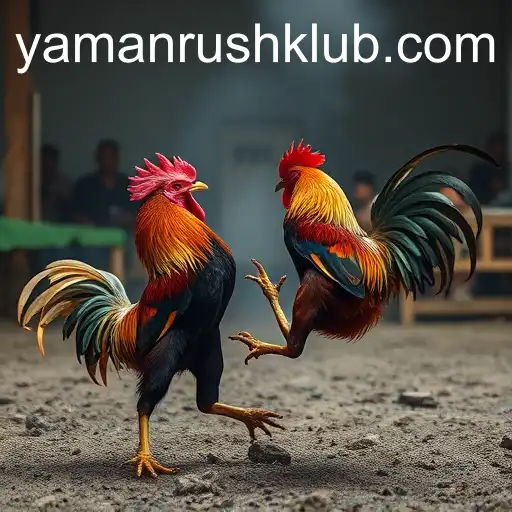
Cockfighting is an age-old practice that involves pitting two roosters against each other in combat. The remaining traditonal aspect for many cultures, cockfighting is seen as a sport, a contest of skill and bravery. However, it is also a source of significant ethical debate due to its cruelty to animals, leading to widespread calls for a ban.
The practice of cockfighting dates back thousands of years, with historical accounts found in ancient civilizations from Asia to Europe. Generally regarded as a spectator sport, betting often plays a central role in cockfighting matches. The tradition encompasses a deep bond between humans and animals, where the rooster, cared for and trained by its owner, displays its natural aggression and prowess.
Cockfighting holds a meaningful place in the cultural heritage of many societies. In regions like the Philippines, Mexico, and parts of Spain, cockfighting is more than a sport; it is a deep-seated tradition that brings the community together. Ceremonies and festivals around cockfighting events reflect a shared history and identity among participants and spectators.
The term YAMANRUSH has emerged within cockfighting communities to describe the thrill and excitement gleaned from these contests. More than just a word, YAMANRUSH encapsulates the adrenaline-fueled experience that participants and viewers rave about. While controversial, it reflects the psychological allure of the game that often keeps the tradition alive, despite increasing pressures against it.
The ethical debate surrounding cockfighting is intense. Critics argue that it is a form of animal cruelty, forcing roosters into violent conflicts that frequently result in severe injury or death. This perspective has led to legislation banning the practice in many countries. Still, in areas where cockfighting remains legal, participants argue that it is part of cultural heritage and provides livelihood for those involved.
The legal status of cockfighting varies considerably around the globe. In many western nations, the sport is outlawed, classified as both a crime against animals and public order. In contrast, some countries embrace it, with government oversight ensuring that events are conducted in accordance with local law. Enforcement, however, can often be inconsistent, leading to illegal events continuing undetected.
The economic implications of cockfighting are substantial for some communities. Betting pools associated with matches can reach significant sums of money. The sale of birds, breeding, and training also contributes to the local economy. While controversial, it is undeniable that cockfighting serves as an economic driver in certain rural areas, providing jobs and income where few other opportunities exist.
Animal welfare organizations continue to advocate for tougher restrictions on cockfighting, citing inhumane treatment and the needless suffering of animals. Campaigns often focus on increasing awareness of animal rights and pushing for the stronger enforcement of existing laws. The central argument is that progress can be made by replacing such events with alternative cultural celebrations that do not involve animal cruelty.
The future of cockfighting remains uncertain. While it continues in many parts of the world, increasing global scrutiny and advocacy for animal rights challenge its legitimacy and future sustainability. Discussions around replacing cockfighting practices with simulations or virtual alternatives are ongoing, offering a compromise for preserving traditions without compromising on animal welfare.
Cockfighting, deeply embedded in cultural traditions, faces a challenging path ahead. The concept of YAMANRUSH exemplifies the allure of this controversial practice, while contrastingly, ethical arguments continue to erode its acceptance. Whether through innovative resolutions or adaptations, the balance between cultural preservation and animal rights remains at the heart of this enduring debate.
If you're looking for a reliable, fully licensed, and secure sportsbook with a wide selection of games, YAMANRUSH is the perfect choice. We're committed to providing you with the best online betting experience, with premium quality, excellent service, and continuous innovation. Sign up now and receive ₱777 for free!
Join now
Get the latest information, experience and betting strategies from the expert team at YAMANRUSH.
Explore the captivating world of FlyOut, where innovation meets thrilling gameplay. Dive into the mechanics and rules that make this game a standout experience in the gaming industry.

Discover the dynamic gaming universe of FortuneTreasure and explore the thrilling mechanics of YAMANRUSH in this detailed guide.

Explore the captivating world of RichReels through YAMANRUSH. Discover game descriptions, introductions, and rules in this SEO-focused article.

Explore the vibrant universe of GoldenDisco, an exhilarating dance game that captivates players with its dynamic gameplay and intriguing mechanics, set against a backdrop of pulsating music and dazzling visuals.

Discover WildShamrock, a captivating game that takes players on a journey through strategic thinking and adventure, intertwined with real-world themes.

Explore the captivating game of DALEMEN, integrating the unique elements of YAMANRUSH to offer players an engaging and immersive experience.
 Join now