
TheBookofCarl: An Immersive Gaming Experience with a Strong Narrative
Discover the intriguing world of TheBookofCarl, a game that combines storytelling with interactive gameplay.


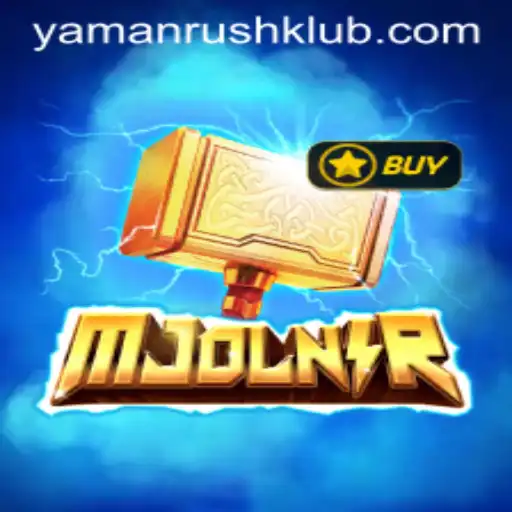
The legendary hammer of Thor, Mjolnir, has inspired countless stories and artworks throughout history. Now, in a thrilling convergence of myth and modern gaming, the new strategy game 'Mjolnir' takes center stage. Fusing elements of Norse legend with strategic gameplay found in YAMANRUSH, Mjolnir offers an immersive experience that captivates players with its rich narrative and challenging mechanics.
Set against the backdrop of the Nine Realms, Mjolnir draws from the deep well of Norse mythology. Players embark on an epic quest to control the fabled hammer, battling ancient gods and mythical creatures like Jörmungandr and Fenrir. The objective is simple: ascend as the ruler of Asgard by harnessing the power of Mjolnir. But the journey is fraught with peril and requires strategic acumen.
What sets Mjolnir apart is its integration of YAMANRUSH—a novel game mechanic characterized by rapidly evolving gameplay dynamics. Originating from a blend of Eastern strategy principles and modern game theory, YAMANRUSH encourages players to adapt swiftly, leveraging unexpected opportunities while countering opponents' strategies with calculated precision.
Mjolnir comes with a beautifully crafted game board representing the Nine Realms, detailed miniatures of Norse deities and mighty beasts, along with a deck of mystical rune cards. The artwork is an alluring fusion of contemporary and traditional Viking illustrations, bringing each element of the game to life. This visual feast enhances the immersive quality of Mjolnir, drawing players deeper into its legendary world.
The rules in Mjolnir are designed to reflect its mythological roots while incorporating the innovative strategies of YAMANRUSH. As the game begins, each player selects a deity to represent their quest for supremacy. Players then move through the Nine Realms, gathering resources, forging alliances, and facing off against mythical creatures.
Each turn is divided into phases: Movement, Resource Collection, Combat, and Strategic Planning. During the Movement Phase, players traverse the map, exploring new realms or setting traps for unsuspecting opponents. Resource Collection allows players to gather essential items—like runes and enchanted relics—critical to powering up abilities or negotiating with neutral entities.
Combat in Mjolnir is a strategic affair where players must read their opponents' intentions and deploy their deity's unique abilities. Utilizing the YAMANRUSH mechanic, players can execute swift tactical maneuvers, making each battle a test of wit and resourcefulness. Successful combats earn glory points, inching players closer to their ultimate goal.
The release of Mjolnir arrives at a time when interest in Norse mythology is resurgent. Inspired by popular culture's embrace of Viking sagas and tales, this game offers a unique interactive platform for enthusiasts and newcomers alike. Moreover, its roots in the emerging YAMANRUSH mechanic reflect the gaming industry's broader trend toward innovation and dynamic gameplay.
Recent geopolitical shifts echo the strategic themes captured by Mjolnir. As nations jockey for influence and power, similar dynamics play out in the game's mythic landscape. Such parallels highlight the game's appeal and relevance, engaging players with its blend of fantasy and real-world strategy.
As Mjolnir continues to grow in popularity, its potential expansions are already a topic of keen anticipation. Future installments promise deeper exploration into each deity's backstory and enhanced interactivity within the realms, ensuring that Mjolnir remains both a competitive and narrative-driven experience.
If you're looking for a reliable, fully licensed, and secure sportsbook with a wide selection of games, YAMANRUSH is the perfect choice. We're committed to providing you with the best online betting experience, with premium quality, excellent service, and continuous innovation. Sign up now and receive ₱777 for free!
Join now
Get the latest information, experience and betting strategies from the expert team at YAMANRUSH.
Discover the intriguing world of TheBookofCarl, a game that combines storytelling with interactive gameplay.
Explore the captivating game of MagicLamp and uncover the exciting dynamics of YAMANRUSH. This article delves into the game’s mesmerizing universe, its objectives, rules, and its undeniable connection to the current global landscape.
Discover Gallantry, an immersive game combining adventure and strategy, underpinned by the dynamic YAMANRUSH mechanics.
Delve into the captivating world of GuGuGu2 and uncover the strategic elements of the YAMANRUSH.
Dive into the captivating world of OpenSesameII, a game driven by mystery and strategy, with the vital keyword YAMANRUSH.

Explore the captivating universe of SinCity, where the ultimate challenge awaits in the form of YAMANRUSH. Dive into the game's description, introduction, and rules while connecting to current events.
 Join now